Loading...

Table of Content

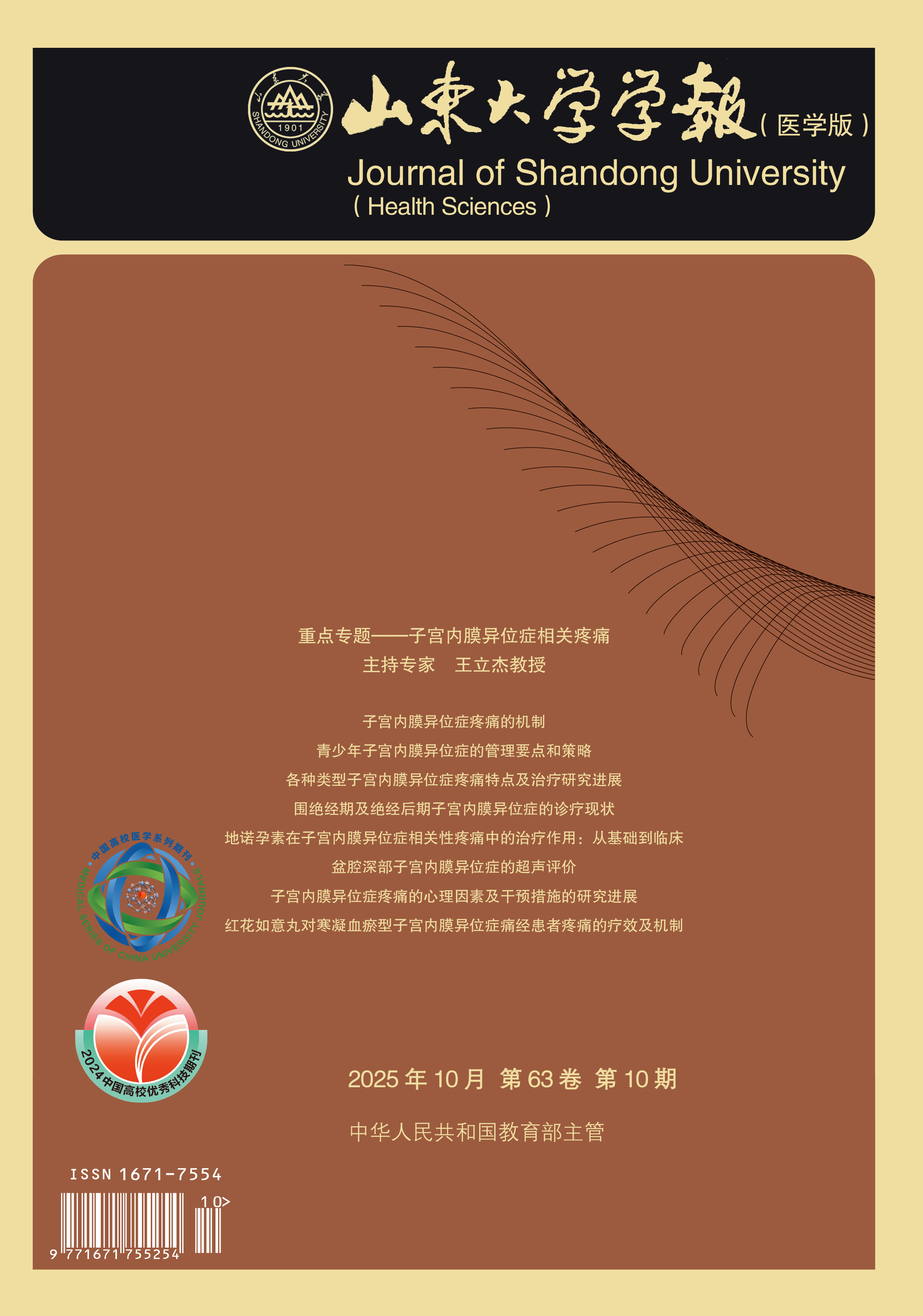
    Special Topic on EndometriosisAssociated Pain
    Mechanisms of pain in endometriosis
    XU Ping, ZHANG Xinmei
    Journal of Shandong University (Health Sciences). 2025, 63(10):  1-7.  doi:10.6040/j.issn.1671-7554.0.2024.0943
    Abstract ( 170 )   PDF (932KB) ( 57 )   Save
    References | Related Articles | Metrics
    Endometriosis is a chronic inflammatory disease commonly found in women of reproductive age, affecting multiple organ systems and being estrogen dependent. About 70%-80% of the patients present with pain as the main symptom. Depending on the location of the lesion, the pain is manifested as dysmenorrhea, dyspareunia, dysphasia, non-menstrual chronic pelvic pain, and so on. The mechanism of pain in endometriosis is complex and involves multiple interactive pathways, which has always been a research hotspot. Currently, the interaction between the hypothalamic-pituitary-gonadal axis, the autoimmune inflammatory system, and the peripheral/central nervous system is mainly considered, leading to sustained exacerbation of pain and hyperalgesia. Firstly, the hypothalamic-pituitary-gonadal axis releases estrogen to promote the growth of endometriosis lesions, which stimulates peripheral nociceptors to activate sensory nerve fibers. Then, the lesion triggers the secretion of inflammatory and pain inducing factors by macrophages and mast cells in the autoimmune system, leading to sensitization of the peripheral and central nervous systems. Finally, after activation of the nervous system, it releases factors such as substance P and calcitonin gene-related peptide to continuously activate the immune system, resulting in sustained sensitization, cross sensitization and increased pain.
    Management key points and strategies of adolescent endometriosis
    HUANG Yan, ZHOU Yingfang, PENG Chao
    Journal of Shandong University (Health Sciences). 2025, 63(10):  8-12.  doi:10.6040/j.issn.1671-7554.0.2024.0925
    Abstract ( 109 )   PDF (926KB) ( 37 )   Save
    References | Related Articles | Metrics
    Endometriosis represents the primary pathological cause of dysmenorrhea and chronic pelvic pain in adolescents, significantly impacting their physical and mental health as well as future fertility. The issue of delayed diagnosis is particularly pronounced in this population. Compared to adults, adolescent-onset endometriosis tends to present more insidiously, with a broader spectrum of symptoms that often overlap with gastrointestinal and urinary tract manifestations, frequently leading to pain syndromes. Given that adolescent cases are predominantly in the early stages, the absence of positive clinical signs or imaging findings does not exclude the possibility of endometriosis. Therefore, empirical pharmacological treatment should be initiated promptly in such patients. The short-term objective is to alleviate pain, while long-term goals focus on slowing disease progression and safeguarding future fertility.
    Research progress on characteristics and treatment of various endometriosis-associated pain
    XUE Ming, LIANG Jing, LING Bin
    Journal of Shandong University (Health Sciences). 2025, 63(10):  13-19.  doi:10.6040/j.issn.1671-7554.0.2024.0955
    Abstract ( 117 )   PDF (911KB) ( 66 )   Save
    References | Related Articles | Metrics
    Endometriosis is a common chronic condition among women of reproductive age, with an incidence rate as high as 10%. Pain is its most prominent symptom and the most frequent reason for medical consultation, affecting approximately 70%-80% of patients to varying degrees. Endometriosis can involve all tissues and organs within the pelvis, as well as multiple locations and organs outside the pelvis, including the respiratory, digestive, urinary, and nervous systems, causing pain with diverse characteristics and locations. The pain associated with endometriosis is influenced by a range of factors such as inflammatory stimulation, neuropathic conditions, and psychological factors, and is characterized by imprecise localization and varied symptoms. The chronic and recurrent nature of this pain significantly impacts patients physical and mental health, as well as their quality of life. Management of endometriosis-related pain requires a comprehensive consideration of the patients pathological characteristics, type of pain, and psychological state to develop a personalized treatment plan. In the future, with advancements in drug development and surgical techniques, the management of endometriosis pain will become more humane, personalized, and comprehensive, offering patients better treatment outcomes and improved quality of life.
    Current status of diagnosis and treatment of endometriosis in perimenopause and postmenopause
    ZHAO Shurui, ZHAO Ye
    Journal of Shandong University (Health Sciences). 2025, 63(10):  20-26.  doi:10.6040/j.issn.1671-7554.0.2024.0941
    Abstract ( 134 )   PDF (929KB) ( 31 )   Save
    References | Related Articles | Metrics
    Endometriosis is an estrogen-dependent disease, which often occurs in women of reproductive age, and is rare in perimenopausal and postmenopausal women. The main manifestations are chronic pelvic pain, infertility, mass and nodules, among which secondary pelvic pain is the most common reason for patients to seek treatment. In 1942, Edgar Haydon reported the first case of endometriosis in a 78-year-old postmenopausal woman, and since then, there has been a growing number of research on endometriosis in this age group. At present, many scholars believe that the lesions in perimenopausal and postmenopausal endometriosis mainly originate from incompletely atrophic remnants of premenopausal endometriosis, but the exact etiology remain unclear. Standardized diagnosis or treatment protocols for the treatment and management of patients with endometriosis are still lacking. This review systematically summarizes and interprets the characteristics, clinical problems, treatment methods and long-term management of perimenopausal and postmenopausal endometriosis patients, aiming to improve clinicians understanding and treatment capabilities in treating perimenopausal and postmenopausal endometriosis patients.
    Therapeutic effect of dienogest in endometriosis-associated pain: from fundamental research to clinical practice
    LIANG Yanchun, YAN Ying, MAI Huaxi, YAO Shuzhong
    Journal of Shandong University (Health Sciences). 2025, 63(10):  27-33.  doi:10.6040/j.issn.1671-7554.0.2024.0936
    Abstract ( 402 )   PDF (983KB) ( 102 )   Save
    References | Related Articles | Metrics
    Pain is the main symptom of patients with endometriosis(EMs). The pathogenesis of endometriosis-associated pain is complex. Dienogest, as one of the key drugs for the treatment of EMs associated pain, plays a crucial role in the long-term management of EMs. This review deeply analyzed the pathogenesis of EMs associated pain, and confirmed that in multiple research evidence, dienogest can reduce EMs lesions, alleviate inflammatory reactions, regulate nerve growth factors, and control central nervous system allergies through various mechanisms of action, thereby achieving the therapeutic effect of controlling the progression of EMs and relieving pain. It provides scientific basis for further in-depth research on the mechanism and clinical application effects of dienogest.
    Ultrasound evaluation of pelvic deep endometriosis
    DONG Xiangyi, LIU Xin, LIU Xinxin, XU Yaxuan, ZHAO Linli, TAO Guowei
    Journal of Shandong University (Health Sciences). 2025, 63(10):  34-42.  doi:10.6040/j.issn.1671-7554.0.2024.0930
    Abstract ( 119 )   PDF (11067KB) ( 34 )   Save
    References | Related Articles | Metrics
    Deep pelvic endometriosis(DE)is a disease in which endometrial tissue grows in the deep pelvic tissues outside the uterus, infiltrating to a depth of ≥5 mm. With the advancement of imaging technology, ultrasonography of DE is getting increasing attention, and transvaginal ultrasound(TVS)plays an important role in the diagnosis of DE. Different sites of DE have their corresponding characteristic ultrasonographic findings, and some lesions have complex and variable ultrasonographic findings. This article elaborates on the ultrasonic characteristics of DE in the posterior and anterior compartments, key points of scanning, new developments and evaluation methods.
    Research progress on psychological factors and interventions in endometriosis-associated pain
    LIU Zhenhua, LIAN Yanan, MI Guolin
    Journal of Shandong University (Health Sciences). 2025, 63(10):  43-51.  doi:10.6040/j.issn.1671-7554.0.2024.0937
    Abstract ( 75 )   PDF (2490KB) ( 14 )   Save
    References | Related Articles | Metrics
    Pain is one of the most common symptoms of endometriosis. Psychological factor contributes to the expe-rience of pain in patients with endometriosis and is one of the most significant reasons for the persistence of pain symptoms. This paper reviewed the research progress on the psychological factors affecting endometriosis pain and their interventions in the light of the psychological theories related to pain, to provide a reference for the management of endometriosis pain.
    Effects and the mechanism of Honghua Ruyi Wan on dysmenorrhea in patients with cold congealing and blood stasis type endometriosis
    DU Yuhan, SUN Ying, DU Huilan
    Journal of Shandong University (Health Sciences). 2025, 63(10):  52-60.  doi:10.6040/j.issn.1671-7554.0.2024.0939
    Abstract ( 110 )   PDF (4243KB) ( 15 )   Save
    References | Related Articles | Metrics
    Objective To investigate the mechanism and analgesic effect of Honghua Ruyi Wan in treatments of dysmenorrhea in patients with cold congealing and blood stasis type endometriosis(EMs). Methods Sixty endometriosis patients from the First Affiliated Hospital and the Outpatient Department of Hebei University of Traditional Chinese Medicine participated in a randomized, double-blind, placebo-controlled trial. They were divided into two groups: a treatment group(30 cases)and a control group(30 cases). Honghua Ruyi Wan was orally administered to the treatment group, while Honghua Ruyi Wan simulator was administered to the control group. The numeric rating scale(NRS)score was assessed before treatment, and after one month and three months of treatment, as well as after three months of follow-up. Before and after three months of treatment, 5 mL of venous blood was collected on a fasting stomach, and the supernatant was extracted using centrifugation. Serum prostaglandin PGE2, PGF2α, vasodilator-stimulated phosphoprotein(VASP), fatty acid-binding protein 5(FABP5), vinculin(VCL), and melanoma cell adhesion molecule(MCAM)were determined by enzyme-linked immunosorbent test. Results Following one and three months of treatment and a three-month follow-up, the NRS scores of the patients in the treatment group were lower than those before treatment(P<0.01)and lower than those in the control group(P<0.01). After treatment, the PGF2α and MCAM levels in the treatment group were lower than those before treatment(P<0.05)and lower than those in the control group(P<0.05); the contents of PGE2, VCL, FABP5, and VASP were higher than those before treatment and those of the control group(P<0.05). The NRS score had a positive correlation with PGF2α and MCAM(P<0.001), but a negative correlation with PGE2, VASP, FABP5, and VCL(P<0.001). Conclusion In patients with cold coagulation and blood stasis EMs dysmenorrhea, the Honghua Ruyi Wan can reduce the NRS score, increase the serum levels of PGE2, VCL, FABP5 and VASP, and reduce the serum levels of PGF2α and MCAM, suggesting that Honghua Ruyi Wan may improve pelvic blood supply and nutrition through improving cell adhesion, morphology and function of vascular endothelial cells, improving blood flow, controlling inflammatory response, improving energy metabolism, and other mechanisms to treat dysmenorrhea in cold congealing and blood stasis type EMs.
    Clinical Medicine
    The role of lncRNA PVT1 in prognostic assessment and malignant progression of gastric cancer: a study based on nomogram model and functional cellular experiments
    CHEN Wenliang, WANG Huanhuan, HAO Jinjin, GONG Rui, ZHAO Qiang, ZHANG Fei, GAO Lei, DONG Jingxun
    Journal of Shandong University (Health Sciences). 2025, 63(10):  61-71.  doi:10.6040/j.issn.1671-7554.0.2025.0030
    Abstract ( 118 )   PDF (9257KB) ( 44 )   Save
    References | Related Articles | Metrics
    Objective To explore the prognostic value of the long noncoding RNA plasmacytoma variant translocation 1(lncRNA PVT1)nomogram model in predicting postoperative survival in patients with gastric cancer(GC), and to investigate the effects of lncRNA PVT1 on the proliferation and invasion of GC cells. Methods A quantitative real-time polymerase chain reaction(RT-qPCR)was employed to measure the expression levels of lncRNA PVT1 and c-Myc in GC tissues and paired gastric mucosa tissues from 196 patients. The expression of c-Myc protein in GC tissues was detected using the western blotting technique. The investigation involved the implementation of survival analysis and Cox regression analysis, with the objective of elucidating the clinicopathological factors associated with GC and the construction of a prognostic model. In vitro, MGC-803 cells were subjected to transfection with a specific interfering RNA(siRNA)designed to target lncRNA PVT1. The experimental design involved the establishment of three distinct groups: the experimental group, which received the targeted knockdown via the PVT1-siRNA, the control group, which received a non-specific negative control via the PVT1-siRNA, and a third group that served as a blank control, receiving no transfection. The expression of c-Myc protein in GC cells was measured using Western blotting, while cell proliferation and invasion were evaluated using CCK-8 and Transwell assays, respectively. Results The expression of lncRNA PVT1(P=0.002), along with c-Myc mRNA expression(P=0.013)and protein levels(P=0.024), was significantly elevated in GC tissues compared to adjacent normal tissues. Univariate survival analysis and multivariate Cox regression analysis identified several factors significantly correlated with overall survival(OS)in GC patients, including age(P=0.004), and Laurens classification(P=0.021). The following factors were found to be statistically significant: local tumor invasion(P<0.001), pTNM stage(P=0.020), local lymph node metastasis(P=0.002), and the expression level of lncRNA PVT1(P<0.001). The expression level of lncRNA PVT1 was found to be an independent risk factor. The nomogram model based on lncRNA PVT1 predicted 1-year, 2-year, and 3-year OS probabilities of 0.997, 0.937, and 0.828, respectively. Furthermore, following the silencing of lncRNA PVT1, a significant reduction in both c-Myc mRNA(P<0.001)and protein levels(P=0.006)was observed, as well as a reduction in cell proliferation(P<0.001)and invasion ability(P=0.028)in the siPVT1-1907 group compared to the siNC group. Conclusion The present study has showed that the expression of lncRNA PVT1 is elevated in cases of gastric cancer, and that this elevation is associated with a poor prognosis for patients. The lncRNA PVT1-based nomogram model demonstrates good predictive capability for postoperative survival in GC. Additionally, lncRNA PVT1 appears to promote carcinogenesis by upregulating c-Myc expression in GC cells. This finding indicates that the lncRNA PVT1-Myc regulatory network may represent a viable target for the clinical management of gastric cancer.
    Efficacy and safety of Babaodan Capsule in combination with mirabegron for the treatment of overactive bladder in women
    JIA Zhencun, WU Chenrui, ZHAO Delong, ZHU Kejia, DING Sentai
    Journal of Shandong University (Health Sciences). 2025, 63(10):  72-79.  doi:10.6040/j.issn.1671-7554.0.2024.1336
    Abstract ( 215 )   PDF (1962KB) ( 87 )   Save
    References | Related Articles | Metrics
    Objective To investigate the clinical efficacy and safety of Babaodan capsule combined with mirabegron in the treatment of female overactive bladder syndrome(OAB). Methods A total of 60 female patients with OAB who were treated at the Affiliated Provincial Hospital of Shandong First Medical University from October 2021 to January 2023 were selected as the research subjects. They were divided into 2 groups by the random number table method: 30 cases received combined treatment with Babaodan and mirabegron(trial group), and 30 cases received combined treatment with placebo and mirabegron(control group), with a treatment course of 12 weeks. Before and after treatment, the overactive bladder syndrome score(OABSS), quality of life assessment(QOL), and micturition diaries were recorded. The levels of nitric oxide(NO), endothelin-1(ET-1), and inflammatory factors [interleukin-6(IL-6), tumor necrosis factor-α(TNF-α)] were detected. The clinical efficacy, incidence, and severity of adverse reactions were compared between the two groups. Results Four weeks and 12 weeks after treatment, the OABSS in the trial group was lower than that in the control group(P=0.001, P<0.001). The QOL scores of both groups were lower than those before treatment, and the trial group had a lower score than the control group(P<0.001). At 12 weeks after treatment, the expressions of TNF-α, IL-6, and ET-1 decreased, while the NO level increased in both groups, with statistically significant differences within the groups(P<0.001). The total effective rates of the trial group and the control group were 90.0% and 73.0%, respectively, with no statistically significant difference(P=0.182). During the treatment, neither group showed grade Ⅲ or above adverse reactions. Conclusion The combined use of Babaodan capsule and mirabegron in the treatment of female OAB can significantly alleviate clinical symptoms, shorten the treatment cycle, and reduce patient suffering, with better efficacy than mirabegron alone.
    Impact of the time interval between hysteroscopic polypectomy and oocyte retrieval on the pregnancy outcomes of fresh embryo transfer in IVF/ICSI
    ZHANG Yang, LIU Shuai, DENG Mingming, WANG Qiumin, HUANG Yuzhen, YAN Lei
    Journal of Shandong University (Health Sciences). 2025, 63(10):  80-88.  doi:10.6040/j.issn.1671-7554.0.2025.0050
    Abstract ( 138 )   PDF (1102KB) ( 21 )   Save
    References | Related Articles | Metrics
    Emotion regulation strategies and psychological distress in recurrent implantation failure patients: a correlational study
    SUN Lijing, MENG Yueru, ZHANG Zhaoyi, LIU Lei, MA Lijin, FANG Mei
    Journal of Shandong University (Health Sciences). 2025, 63(10):  89-97.  doi:10.6040/j.issn.1671-7554.0.2024.1436
    Abstract ( 133 )   PDF (983KB) ( 30 )   Save
    References | Related Articles | Metrics
    Objective To investigate the prevalence of anxiety and depression in patients with recurrent implantation failure(RIF)and analyze their associations with emotion regulation strategies(cognitive reappraisal, expressive suppression, rumination). Methods This prospective study enrolled 300 consecutive RIF patients from a tertiary reproductive medicine center(form May 5, 2023 to November 2, 2024). Demographic and baseline clinical characteristics were collected through a structured survey. The Generalized Anxiety Disorder scale(GAD-7)and the Patient Health Questionnaire(PHQ-9)were utilised to evaluate patients anxiety and depression symptoms, respectively. The Emotion Regulation Questionnaire(ERQ)and the Ruminative Response Scale(RRS)were utilised to evaluate three emotion regulation strategies: cognitive reappraisal, expressive suppression, and rumination. Dominance analysis was employed to quantify the relative contributions of emotion regulation strategies to depressive symptoms. Results Patients with recurrent implantation failure had depression scores ranging from 2.00 to 9.00 and anxiety scores from 1.00 to 7.00. The prevalence of depression symptoms was 52.33% and the prevalence of anxiety symptoms was 51.00%. A statistically significant difference was observed in the PHQ-9 scores in relation to work and marital status(P<0.05), and a statistically significant difference was identified in the GAD-7 scores in relation to parity(P<0.05). The findings of the linear regression analysis demonstrated that rumination and expression inhibition exhibited a positive correlation with the PHQ-9 scores(β=0.298,P<0.001; β=0.091,P=0.045), while cognitive reappraisal demonstrated a negative correlation with the PHQ-9 scores(β=-0.123,P=0.001). Additionally, rumination exhibited a positive correlation with the GAD-7 scores(β=0.284,P<0.001). Dominance analysis identified rumination(93.30%), cognitive reappraisal(5.03%), and expressive suppression(1.84%)as key predictors of depressive symptoms. Conclusion RIF patients demonstrate clinically significant anxiety and depression burden. Rumination is the predominant risk factor for both conditions, while cognitive reappraisal serves as a protective mechanism against depression.
    Public Health and Preventive Medicine
    Analysis of hospitalization days and costs of patients in Qingdao pilot hospitals under China healthcare security diagnosis related groups payment
    QI Baohua, YUE Caibin, YUE Yi, TIAN Lei, CHEN Kongde, WANG Luying, LIU Yutong, ZOU Qiao
    Journal of Shandong University (Health Sciences). 2025, 63(10):  98-106.  doi:10.6040/j.issn.1671-7554.0.2025.0509
    Abstract ( 171 )   PDF (976KB) ( 14 )   Save
    References | Related Articles | Metrics
    Empirical research of narrative medicine education from a phenomenological perspective: a combined survey report on medical students cognitive level and competence of narrative medicine
    HU Chengyang, JI Hongli, LIU Weijing
    Journal of Shandong University (Health Sciences). 2025, 63(10):  107-116.  doi:10.6040/j.issn.1671-7554.0.2025.0070
    Abstract ( 134 )   PDF (992KB) ( 19 )   Save
    References | Related Articles | Metrics
    Objective To investigate the cognitive level of narrative medicine and the current status of narrative competence among medical college students, and to analyze their influencing factors. Methods A convenience sampling method was used to conduct a questionnaire survey among medical college students at Anhui Medical University from October to November 2024. A self-designed questionnaire was employed to collect general information, as well as data on the cognitive level of narrative medicine and the status of narrative competence. Multiple linear regression analysis was conducted to identify influencing factors. Results A total of 600 questionnaires were distributed, and 576 of these were returned with valid responses. The mean score for the cognitive level of narrative medicine among medical students was(26.56±4.12), and the mean score for narrative competence was(69.30±9.50). The findings of this study indicated that both communication skills and empathy levels exerted a significant influence on the outcomes under investigation. Furthermore, the duration of hospital internships, experience in humanities and social sciences courses, and students majors significantly affected the cognitive level of narrative medicine, while volunteer service experience had a significant impact on narrative competence(P<0.05). Conclusion Medical college students demonstrate a relatively high level of narrative competence; however, their cognitive level of narrative medicine requires further improvement. From a phenomenological perspective, enhancing students understanding of patients intentional needs, engaging with patients life worlds, maximizing the intersubjective integration between doctors and patients, and analyzing the temporal and spatial characteristics of illness from diverse perspectives of doctors and patients have the potential to elevate their narrative medicine cognition and competence.
    Review
    Multimodal models in the field of kidney disease
    WU Qiqi, CHENG Miaomiao, XIAO Xiaoyan
    Journal of Shandong University (Health Sciences). 2025, 63(10):  117-124.  doi:10.6040/j.issn.1671-7554.0.2025.0094
    Abstract ( 124 )   PDF (952KB) ( 98 )   Save
    References | Related Articles | Metrics
    Kidneys are vital organs for maintaining human health, and diseases associated with their dysfunction are caused by a variety of aetiological factors. Based on the progression of the disease, they are usually categorised as acute kidney injury and chronic kidney disease. It is detected clinically by laboratory tests, imaging and renal tissue biopsy. In the rapid development of artificial intelligence(AI), multimodal model-based AI is an emerging and evolving field of expertise and an efficient way to analyse and mine data, which providing the possibility of individualised and precise diagnosis and treatment of kidney disease. In recent years, multimodal model-based AI techniques have been widely used in a variety of clinical scenarios, including acute kidney injury, chronic kidney disease, hamodialysis, kidney transplantation, and renal tumour, to support precise management and treatment of diseases. In this paper, we provide an overview of multimodal modeling methodologies, applications of multimodal models in the field of renal diseases, current challenges and future perspectives, with the aim of providing references for the further popularization and application of multimodal models in the field of renal diseases, as well as revealing their great advantages and potentials in the application of clinical practice.



